
OEM / ODM COOPERATION
Your market. Your product brief. Let’s build the plan.
Start with an existing product platform or share a development brief for review.
Two routes. One clear project scope.
OEM
Start from an existing product platform
- Review the platform and included components.
- Discuss branding, packaging and documentation.
- Confirm order configuration and sample requirements.
ODM
Start from an application or product brief
- Describe the vehicle, target user and use case.
- Share functional, installation and interface requirements.
- Review development scope and feasibility.
Start with a platform that fits the job.
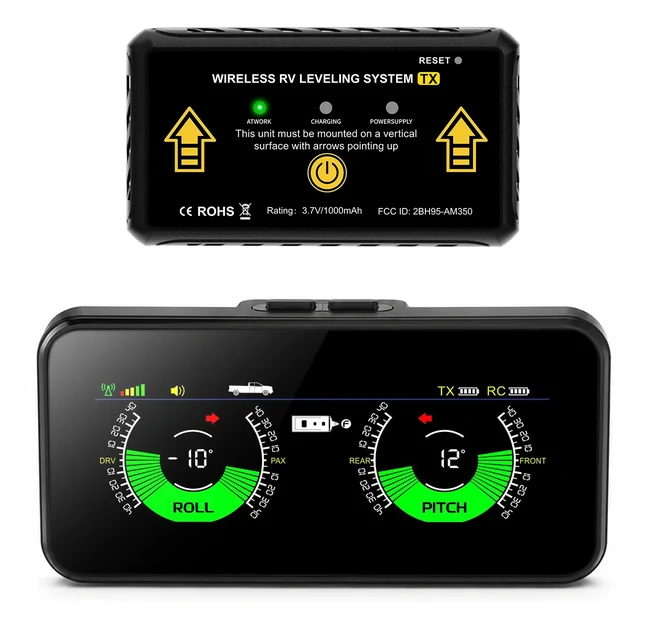
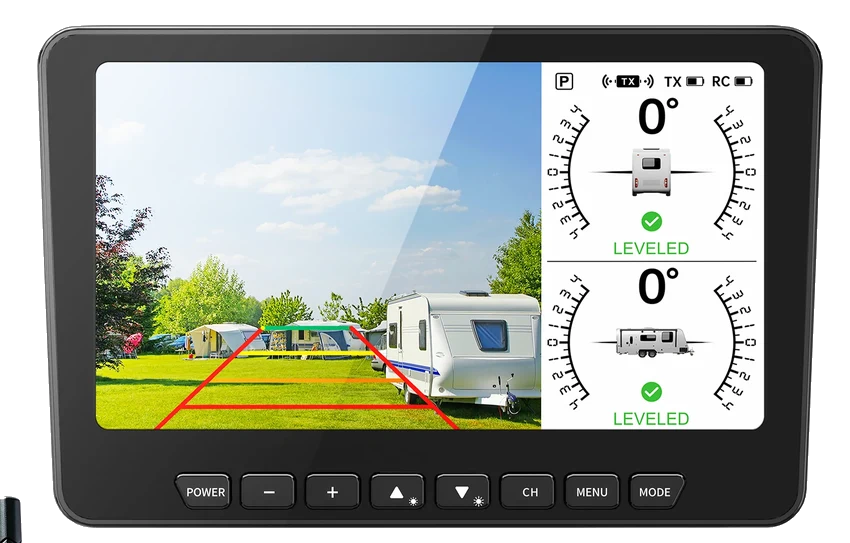
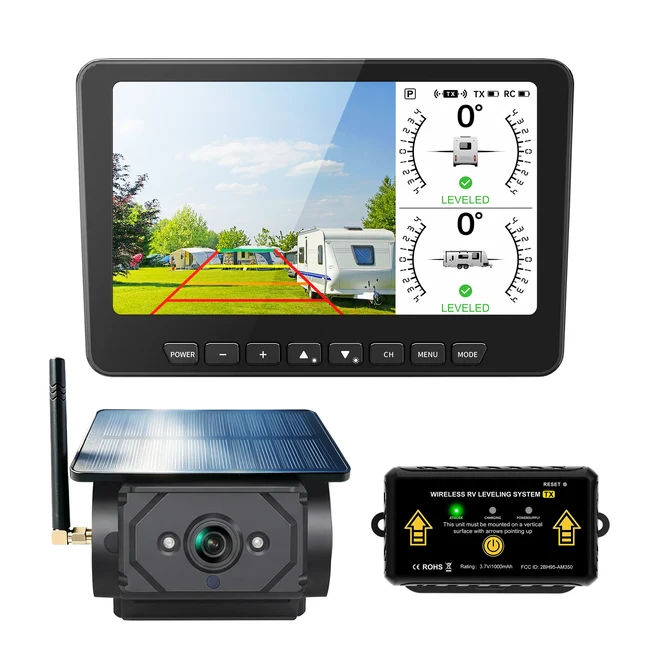
RV Leveling
AM350PRO
Wireless RV Leveling & Off-Road Inclinometer
Campsite setup and off-road angle monitoring
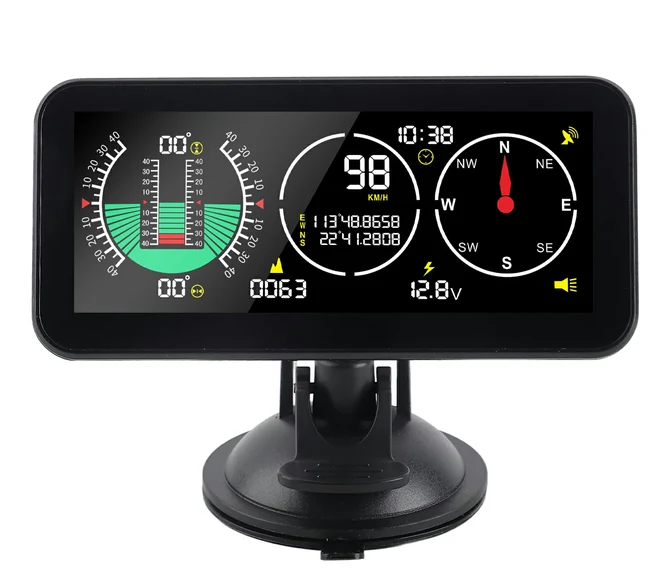
Driving Displays
M60
GPS Driving Display & Off-Road Inclinometer
GPS driving information and vehicle angles
Define what needs to change
Brand identity
Logo placement and exterior appearance.
Packaging and manuals
Retail packaging, language and documentation.
Installation and interface
Mounting, display information and workflow.
Market requirements
Vehicle types, intended sales channel and applicable requirements.
Sample evaluation
Test plan, preferred platform and evaluation criteria.
Order assumptions
Target quantities, delivery market and launch schedule.
From brief to an agreed project plan
Share the brief → review the platform → confirm scope → evaluate samples → agree on order terms.
Submit a Project Brief →Questions before we start
What is the difference between OEM and ODM?
An OEM discussion starts from an existing platform and reviews branding or packaging. An ODM discussion starts with an application or functional brief and reviews what can be developed.
What customization can I request?
Share your packaging, branding, language, interface and installation requirements. The team will review feasibility for the chosen platform.
How are lead times and costs confirmed?
They depend on the agreed project scope, sample requirements, quantities and delivery market.